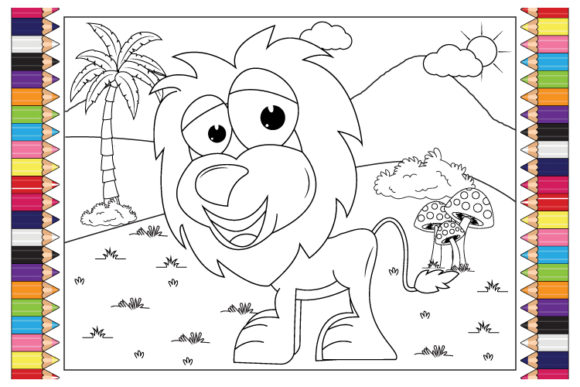
Bringing Wild Fun to Your Projects with a Cartoon Lion Font
When you're working on a project aimed at children, the typography choice isn't just about legibility—it’s about personality. Standard serif or sans serif fonts often feel too corporate or serious for a young audience. That is exactly where the Coloring Lion Animal Cartoon for Kids steps in. This isn't just a typeface; it is a visual asset designed to bridge the gap between playful illustration and functional typography. If you are a designer, educator, or small business owner looking to inject some energy into your brand or publication, understanding how to leverage this specific style of creative font is essential.
Visual Anatomy: More Than Just Letters
The Coloring Lion Animal Cartoon for Kids is built on a foundation of organic shapes and soft geometry. Unlike rigid sans serif font families, this display font features rounded terminals, uneven baselines, and a "bouncy" rhythm that mimics the way a child might draw letters. It captures the essence of a cartoon aesthetic—thick strokes that invite coloring, whimsical curves, and a friendly demeanor that puts the viewer at ease immediately.
What makes this font particularly effective is its ability to convey "noise" without creating chaos. The visual weight is consistent, ensuring that even at smaller sizes, the character of the font remains visible. It avoids the common pitfall of many handwritten fonts where legibility drops off a cliff when scaled down. Instead, it maintains a structural integrity that makes it a reliable choice for headers on packaging or bold statements on social media graphics.
Strategic Applications: Where This Font Shines
As a creative professional, your goal is to match the tool to the task. The versatility of the Coloring Lion Animal Cartoon for Kids extends across several mediums, but it truly excels in environments where engagement is the primary metric.
- Publishing and Editorial Design: If you are working on children’s books, activity sheets, or educational workbooks, this font acts as a visual anchor. It sets the tone for the content before the child even reads a single sentence. Using it for chapter titles or section headers creates a cohesive look that feels intentional and professionally curated.
- Branding for Youth-Oriented Services: For entrepreneurs in the childcare, toy, or educational sectors, brand identity is crucial. Implementing this font in your logo design or marketing collateral signals that your brand is approachable and fun. It moves your brand identity away from the cold, sterile feel of corporate typography toward something warm and inviting.
- Digital and Web Design: In the realm of web design, hero text needs to grab attention instantly. This font works exceptionally well for splash pages, banners, and call-to-action buttons targeting parents or children. It breaks the monotony of standard web-safe fonts and adds a layer of personality that aids in brand recognition.
- Packaging Design: Whether it’s a snack wrapper or a toy box, packaging design relies on split-second decisions. The playful nature of this cartoon font helps products stand out on crowded shelves. It suggests that the product inside is enjoyable and safe, influencing purchasing decisions subconsciously.
The Psychology of Playfulness in Typography
Typography influences perception. When you utilize a premium font like Coloring Lion Animal Cartoon for Kids, you are making a deliberate choice about how your audience feels. In modern typography, there is a growing trend toward "humanist" design—elements that feel less manufactured and more organic. This font taps into that trend by evoking nostalgia and innocence.
For marketers and content creators, this psychological trigger is invaluable. It lowers the audience's guard. If you are selling a service or a product, a playful typeface can make the brand seem less aggressive and more helpful. It fosters an environment of trust, which is a critical component of audience engagement. Furthermore, using a creative font like this ensures consistency. When applied across your website, social media graphics, and print materials, it becomes a recognizable signature of your brand’s voice.
Practical Implementation and Pairing
Integrating a specialized display font into your workflow requires some strategy. You cannot simply swap out your body copy and expect the same results. Here is how to get the most out of this asset:
1. Mastering Font Pairing
The golden rule of typography is contrast. Because the Coloring Lion Animal Cartoon for Kids is detailed and stylistic, it needs a grounding partner. Pairing it with a clean, geometric sans serif font for body text is usually the best approach. If you use a script font or another handwritten font for the body, the layout will look cluttered and difficult to read. Let the cartoon font be the star of the show in the headlines, and let a neutral typeface handle the heavy lifting of the paragraphs.
2. Testing for Readability
While this font is designed for clarity, context matters. Always test your font pairing on both desktop and mobile screens. What looks like a charming header on a 27-inch monitor might become illegible on a smartphone screen if the font size is too small. Additionally, consider the background. A textured background can sometimes interfere with the thick strokes of a cartoon font, so ensure there is enough contrast to make the text pop.
3. Understanding the File Formats
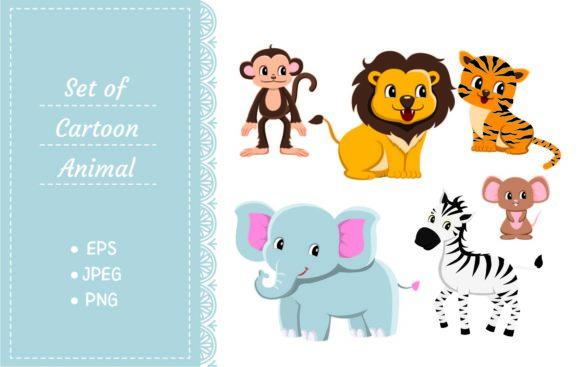
The Coloring Lion Animal Cartoon for Kids package comes with specific file types to ensure versatility across different software. The EPS (Encapsulated PostScript) file is a vector format. This is critical for print work, such as large format banners or merchandise, as it allows you to scale the design to any size without pixelation. The JPG (Joint Photographic Experts Group) file is a raster image, perfect for quick mockups, web use, or drag-and-drop functionality in social media editors. Understanding when to use which format is a hallmark of a professional designer.
4. Licensing and Commercial Use
Before finalizing your brand identity or sending files to the printer, double-check the licensing terms. Most design assets come with specific allowances for commercial use. Whether you are a freelancer creating a logo for a client or a business owner creating internal materials, ensure your usage aligns with the license. This protects you legally and ensures the original creator is supported.
Elevating Your Creative Output
The difference between an amateur layout and a professional design often comes down to the details. Using a generic system font says, "I didn't have time to care." Using a tailored, premium font like Coloring Lion Animal Cartoon for Kids says, "I understand my audience, and I’ve crafted this experience for them."
Whether you are a hobbyist creating party invitations, a publisher designing an activity book, or a marketer launching a new family-friendly product, this font provides the tools you need to communicate effectively. It combines the whimsy of illustration with the functionality of typography. By following the guidelines on pairing, readability, and application, you can transform a standard project into something that truly resonates with your audience. Don't just tell your audience it's for kids—show them with every letter you type.