Cute Animal Illustrations: Beyond the Pixels
When we talk about "Cute Animal Illustrations," specifically a high-resolution asset like the 2829 px by 4242 px JPEG file at 300 PPI, we aren't just talking about a static image. We are looking at a versatile design asset that bridges the gap between digital convenience and print-ready quality. In the world of content creation, finding imagery that is both emotionally resonant and technically sound is rare. This specific specification—a massive 4000x6000 pixel equivalent aspect ratio at a professional 300 dots per inch—signals that this isn't just a web graphic. It is a piece of premium content designed for serious application, from commercial packaging to high-end editorial spreads.
The Anatomy of Appeal: Visual Style and Personality
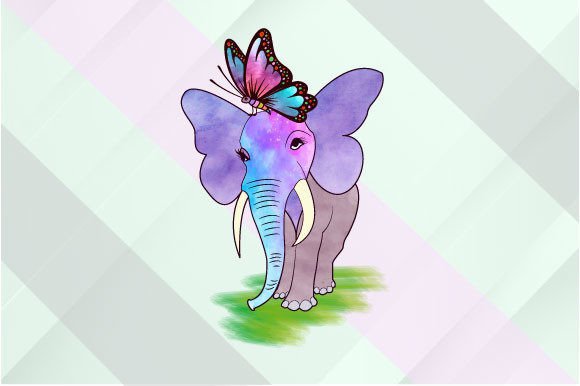
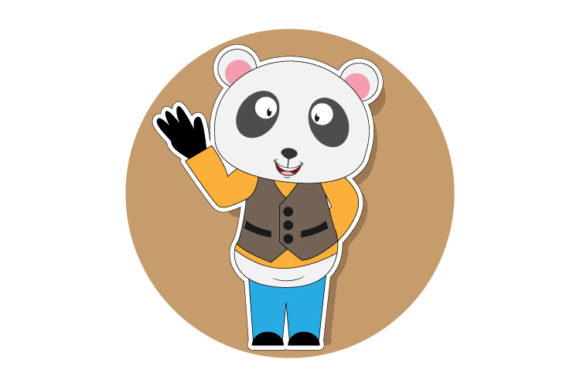
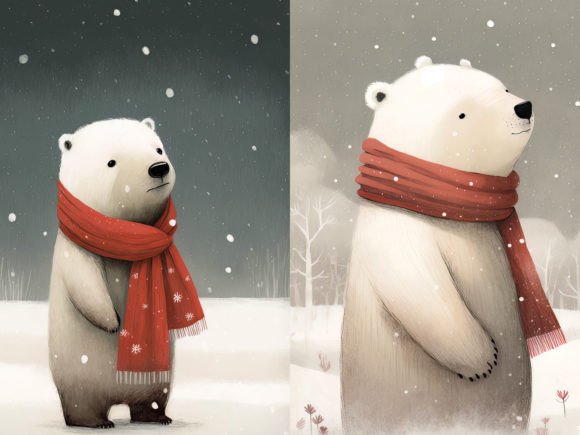
The enduring charm of animal motifs lies in their universal ability to trigger an emotional response. However, the success of Cute Animal Illustrations in a professional setting depends entirely on the execution of the style. Are we looking at a flat, vector-style aesthetic that fits a modern web design context, or is this a textured, painterly approach that feels at home in editorial design? Typically, high-quality assets in this category strike a balance. They possess a warmth that softens corporate messaging without sacrificing the clarity required for brand identity.
From a designer's perspective, the "cuteness" is a strategic tool. It disarms the viewer, making them more receptive to the message. The visual personality of these illustrations often relies on exaggerated features—larger eyes, softer contours, and warmer color palettes. This isn't just whimsy; it is a deliberate approach to modern typography and layout integration. When you pair a clean sans serif font with a detailed animal illustration, you create a dynamic tension between the logical and the emotional. The illustration draws the eye, while the typeface delivers the information. This interplay is crucial for effective visual hierarchy.
Strategic Application: Where Quality Meets Content
Understanding where to deploy a file of this caliber is half the battle. Because the image is 2829 px x 4242 px at 300 PPI, it is robust enough for almost any physical application. For packaging design, this resolution ensures that fine details—like fur texture or subtle shading—remain crisp even on large boxes or labels. This is vital for small business owners competing on shelves where tactile quality suggests product quality.
For publishers and authors, specifically in the children’s book or lifestyle magazine sectors, this asset serves as a perfect chapter opener or full-bleed background. It provides a high-fidelity canvas that won't pixelate when printed. However, the utility extends far beyond print.
- Digital Marketing: In social media graphics, a high-res source file allows you to crop aggressively. You can zoom in on a specific part of the illustration for an Instagram Story or use the full composition for a Facebook cover without losing quality.
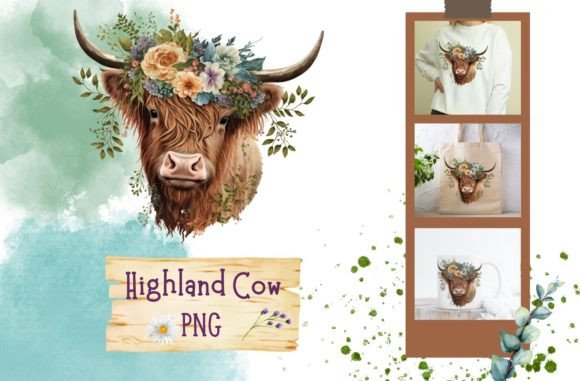
- Merchandise: For entrepreneurs selling on platforms like Redbubble or Etsy, this resolution is the minimum requirement for printing on mugs, t-shirts, and tote bags. It ensures the design assets look professional, not homemade.
- Web Design: While the file is large, optimized versions can serve as hero images or distinct section backgrounds that add personality to an otherwise sterile layout.
The Silent Partner: Typography and Font Pairing
An illustration rarely stands alone; it needs a typographic partner. When working with Cute Animal Illustrations, the choice of typeface dictates the final tone of the project. If the illustration is whimsical and hand-drawn, pairing it with a rigid, geometric sans serif font creates a modern, "hipster" aesthetic often seen in craft breweries or organic baby food brands. Conversely, pairing it with a classic serif font can elevate the artwork, making it feel more like a page from a vintage storybook or a high-fashion editorial.
For those looking for a more organic feel, a script font or handwritten font can mimic the human touch found in the illustration itself. However, caution is required here. Readability is paramount. If the illustration is busy, the typography must be clean. If the illustration is minimal, the typeface can be more expressive. This is the art of font pairing—finding the balance between legibility and mood. A creative font should complement the image, not compete with it.
Practical Evaluation: Licensing and Technical Fit
Before integrating any asset into a commercial workflow, a pragmatic evaluation is necessary. The term "Cute Animal Illustrations" covers a vast range of quality. When sourcing these design assets, you must look beyond the thumbnail.
- Resolution and Scalability: As mentioned, 2829 x 4242 px is substantial. However, always check the file format. A JPEG at 300 PPI is excellent for print, but if you need to remove the background for a logo or sticker, you will likely need a PNG with transparency or a vector source file.
- Commercial Licensing: This is the most critical checkpoint for marketers and business owners. Does the license cover "print-on-demand" services? Is it valid for unlimited sales, or is it restricted to a specific number of impressions? Using a commercial font or image without the correct license is a liability no brand can afford.
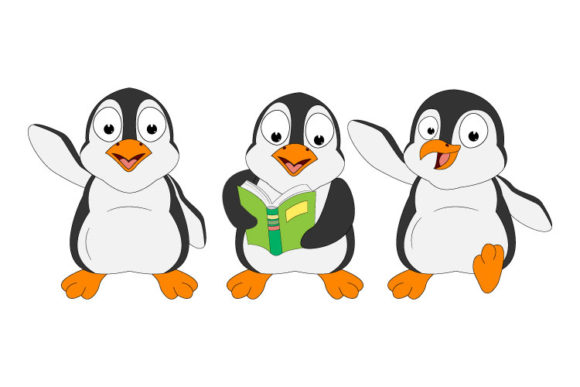
- Consistency: If you are building a brand identity, one illustration is rarely enough. Look for sets or collections. Does the artist offer other animals in the same style? Can you build a visual library that ensures consistency across your website, social media, and physical products?
Maintaining Professionalism with Playful Elements
There is a misconception that "cute" equals "unprofessional." In reality, using Cute Animal Illustrations effectively requires a higher level of design discipline. It requires restraint. A cluttered layout full of playful elements can look chaotic. A single, well-placed illustration against a clean grid with ample white space, however, looks sophisticated.
For content creators and bloggers, these images are excellent for breaking up long blocks of text. They act as visual anchors that keep the reader engaged. For hobbyists and crafters, they are the centerpiece of the project. In every scenario, the goal is the same: to use the emotional power of the image to facilitate a connection between the brand and the audience.
Ultimately, a high-quality JPEG of an animal illustration is more than just a picture. It is a strategic tool. Whether you are designing a logo, laying out a magazine, or launching a new product line, the right image—rendered at the right resolution and paired with the right typography—transforms a project from a simple arrangement of elements into a cohesive, engaging narrative. By respecting the technical specifications and understanding the psychological impact of the visual style, you ensure that the asset works hard for your brand, delivering value far beyond its initial visual appeal.