Wildly Sweet: The Leopard Love Heart Sticker
More Than Just a Sticker: A Design Asset with Personality
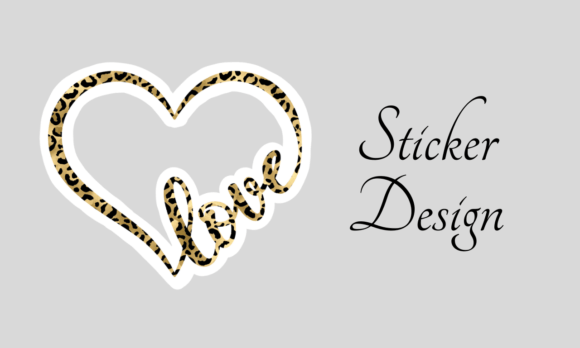
Let’s be honest, a flat, single-color heart sticker is fine. It does the job. But when you swap that for a Leopard Animal Print Love Heart Sticker, you’re not just adding a shape; you’re injecting a specific, potent personality into your project. This design is a clever fusion of two powerful visual languages: the raw, untamed energy of leopard print and the universal symbol of love and affection. The result is a sticker that feels simultaneously bold and sweet, edgy and approachable. It’s for the brand that wants to show it has some bite but also a whole lot of heart. The visual texture of the animal print, with its organic rosettes and warm, earthy tones, gives the heart a tangible, almost tactile quality that a solid color simply can’t replicate. It’s a small design element that makes a disproportionately large impact.
Strategic Applications for Maximum Impact
The true value of a versatile design asset like this lies in its application. It’s not just a decorative flourish; it’s a strategic tool. For small business owners, especially those in e-commerce, the unboxing experience is everything. Using this leopard heart as a packaging design element—sealing tissue paper, adorning a thank you card, or as a standalone gift with purchase—immediately elevates the customer’s perception. It signals that your brand pays attention to details and has a distinct style. This isn’t generic; it’s memorable. For crafters and hobbyists, the sticker becomes a central motif in scrapbooking layouts, planner decorations, or handmade greeting cards. It provides a strong visual anchor that can dictate the color palette and mood of an entire page, whether you’re going for a rustic-chic or a modern-glam aesthetic.
In the digital realm, its utility is just as potent. Content creators and social media managers can use the sticker graphic in Instagram Stories, as a highlight cover icon, or integrated into promotional graphics to add a burst of personality. It’s a fantastic way to break the visual monotony of a feed. For digital journalers and planner enthusiasts, it serves as a vibrant, motivating sticker to mark special dates, achievements, or areas of focus. The key is context. A leopard heart on a luxury candle brand’s packaging whispers “sophisticated and wild.” The same sticker on a teen-focused stationery brand shouts “fun and fearless.” Understanding this nuance is what separates good design from great design.
Practical Integration and Design Harmony
So, you’ve decided to use the Leopard Animal Print Love Heart Valentine’s Day Sticker Design. Now what? The first step is to think about pairing. This sticker has a strong personality, so it needs to be balanced with its surroundings. In typography and layout, it often works best alongside clean, simple fonts. A crisp sans serif font for body text provides a modern, readable counterpoint to the sticker’s wildness. Alternatively, pairing it with a elegant script font for a headline can create a luxurious, high-fashion vibe reminiscent of a designer label. Avoid competing with another overly busy display font or intricate pattern; let the leopard heart be the star of the show.
Color is your next consideration. Pull accent colors from the print itself—think warm tans, rich chocolates, or creamy off-whites—to create a cohesive brand identity or project palette. This creates a sense of intentional design rather than a random element slapped on. When using it in editorial design or for a blog post, consider its scale. A small cluster of these hearts can act as charming bullet points or dividers, while a single, large heart can serve as a powerful visual break in a long article. For web design, think about using it as a favicon, a cursor effect on a special link, or part of a 404 error page to add a touch of whimsy. The goal is to use the creative font of this design—its visual language—thoughtfully to enhance, not overwhelm, your core message. Always test how it looks in both its digital form and, if you’re printing, do a test run to ensure the colors and details translate well from screen to physical product.